


 US
US CA
CA UK
UK EU
EU Global
Top Video Games for Kids 2026
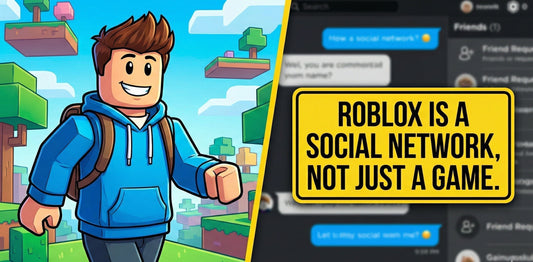
Recently, a parent reached out to us with a question we hear all the time: "My daughter wants Roblox, all her friends have it, is it safe?"
If you've been in this exact spot, you know the feeling. You don't want to be the only parent saying "no," but you also don't know enough about these games to feel good about saying "yes."
So, let's talk about it.
Your middle or high schooler is probably playing games—a lot of them, actually. The average kid spends 6 to 7 hours a day on their phone, and gaming takes up a huge chunk of that time. (Source: Common Sense Media).
The question isn't whether they'll play games, it's which ones, and what you absolutely need to know before you give them the green light. We know this feels like a lot to keep track of. The gaming landscape changes fast, and most of us didn't grow up with any of this.
As advocates for your child's safety, we aren't going to sugarcoat things. Here is our brutally honest breakdown of the top 10 games your kids are asking for.
1. Minecraft
This one is the safest. Everything in the base game is created by Minecraft, so the content itself is controlled, creative, and appropriate.
The Catch: It has chat features. If they play on public servers, your kid can talk to strangers, and that's where things get tricky.
Our Opinion: Let them play, with boundaries. Set a firm rule that they only play in private "Realms" or servers with people they know in real life. Have that conversation before the download happens.
2. Roblox
The Catch: This isn't just one game; it's a massive, unmoderated marketplace. Anyone (including kids and predatory adults) can create a "game" room. You have zero idea what kind of content is in the room your child just joined. There are documented cases of highly inappropriate content, simulated virtual assaults, and grooming happening inside Roblox. We're not trying to scare you; we are just stating the facts.
Our Take: We highly suggest you block this game for middle schoolers. If you absolutely must cave to the social pressure, it is not a "set it and forget it" app. You need to actively sit with them, monitor the specific rooms they enter, and heavily restrict their account settings.
3. Clash Royale
A popular strategy card game where players battle head-to-head.
The Catch: It is highly addictive and encourages spending real money to upgrade cards. However, from a pure safety standpoint, there is no open chat feature to worry about.
Our Take: It’s safe to play. Just ensure your app store settings require a password for in-app purchases so you don't end up with a surprise credit card bill, or simply set a time limit using our Teracube parent app.
4. Block Blast
A simple, Tetris-style puzzle game.
The Catch: None, really. It’s a mindless puzzle game with no social interaction.
Our Take: Go for it. It’s clean, safe, and entirely harmless.
5. Fortnite
The massively popular battle royale shooter.
The Catch: The violence is cartoonish rather than realistic, but the real danger here is the open voice chat. Unmoderated voice chat is a breeding ground for toxic language, bullying, and strangers talking to your kids.
Our Take: Proceed with extreme caution. If they play, go into the game's settings and lock the voice chat to "Friends Only." Have a strict conversation about never sharing personal information (real name, school, location) over the headset.
6. Call of Duty: Mobile / Warzone
A highly realistic, military-style shooter game.
The Catch: Unlike Fortnite's cartoon world, this game features realistic violence, blood, and extremely toxic voice lobbies. The community is largely older teens and adults, and the language used on headsets reflects that.
Our Take: Hard NO for middle schoolers. The violence and the toxic community are not appropriate for 10-13 year olds. Revisit this conversation in high school.
7. Among Us
A fun, digital "whodunit" game of deception set on a spaceship.
The Catch: The game relies on a text-based chat room to figure out who the "imposter" is. If playing in public lobbies, your kid is texting with strangers, which can lead to inappropriate language or solicitation.
Our Take: Fun, but only with real friends. Only allow them to play in private lobbies with classmates and friends they know in real life.
8. Brawl Stars
A fast-paced, colorful team shooter made by the creators of Clash Royale.
The Catch: Like Clash Royale, it is visually safe and cartoonish, but heavily designed to make kids want to buy "gems" to unlock new characters (brawlers). There is a text chat, but it's restricted to approved "clubs" (teams).
Our Take: Okay for middle school, but lock the wallet. Keep them out of public clubs, and make sure your credit card is locked down.
9. Genshin Impact
A visually stunning, open-world exploration game popular with middle and high schoolers.
The Catch: The entire game is built around "gacha" mechanics—which is essentially a digital slot machine. Players spend real money for a chance to win characters. It is gambling disguised as anime gameplay.
Our Take: High risk for addiction. The gameplay is beautiful and safe, but the financial mechanics are predatory. If you let them play, do not attach a payment method to their phone under any circumstances.
10. Valorant
A tactical, team-based shooter (primarily on PC/Console, but mobile is entering the space).
The Catch: It requires intense communication, meaning voice chat is essential. The community is notoriously competitive and incredibly hostile to young kids or anyone making mistakes.
Our Take: Delay until high school. Even then, monitor their mood after playing. If a game is making them angry or stressed because older players are screaming at them, it's time to delete it.
Why You Need to Have These Conversations
Instead of just saying "no" and walking away, try this approach: "I want to understand what you love about this game. Show me how it works."
When you take the time to actually look at what they're playing, two things happen:
1. You can spot red flags yourself.
2. Your kid feels heard. When kids feel heard, they're way more likely to respect the boundaries you set.
The Teracube Solution
That's exactly why we built the time limit and schedule features into the Teracube parent app. You don't have to be the bad guy every single day. You can set limits for every individual app and create schedules for focus time during school or at night.
Set it up once, and the phone does the work for you. No daily arguments needed.
We hope this helps the next time you're standing in the kitchen and your kid is asking to download something their friend has!
Is there a game we didn't mention that you're dealing with at home? Drop a comment below and let us know. We've probably heard of it!


